
Chris Pidlisecky
Fields of Conflict: Housing meets Harvest
BC needs homes, but we also need food. How can we balance our need for housing development with our need to protect valuable farmland?
Image1
What is the Problem?
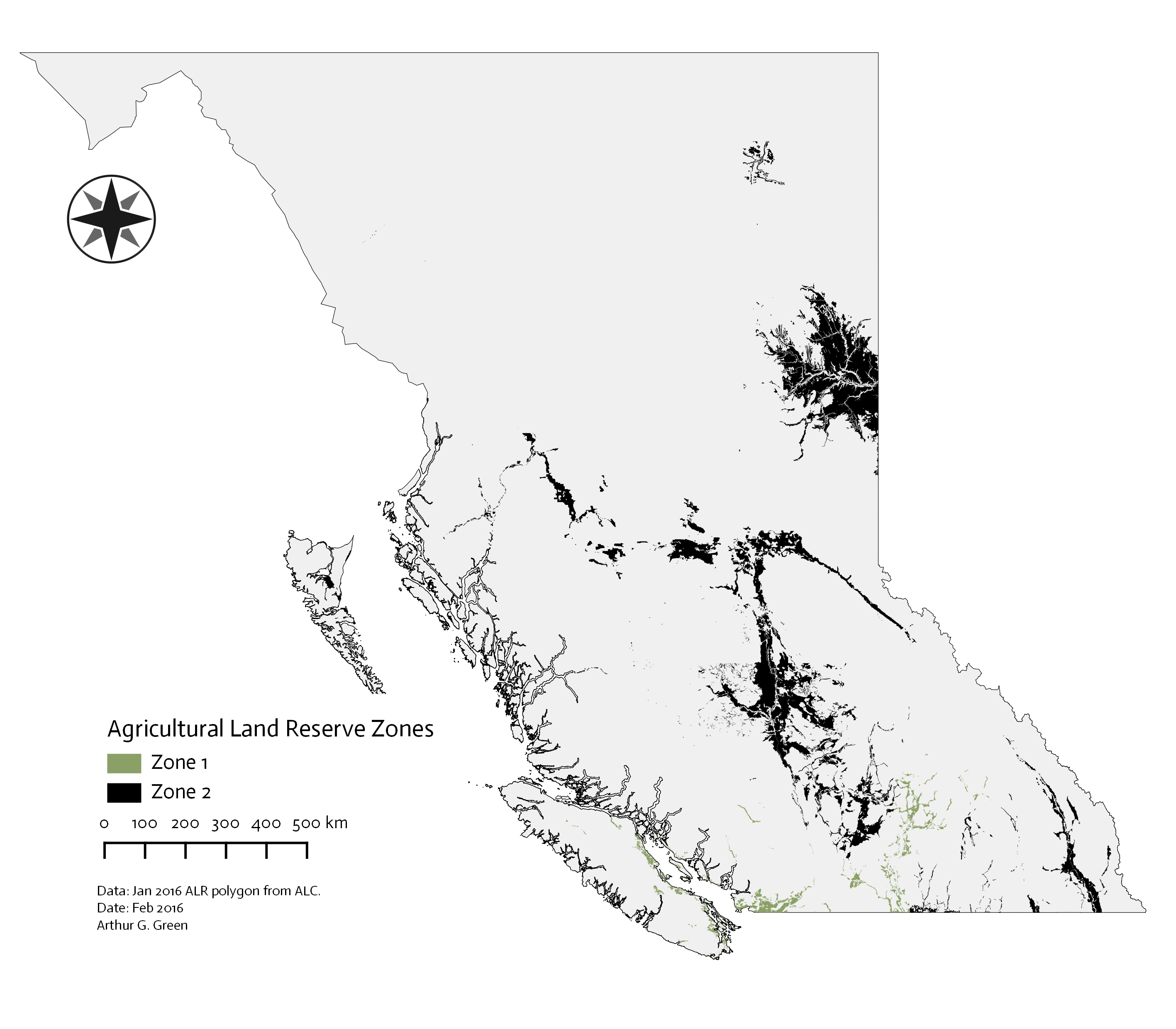
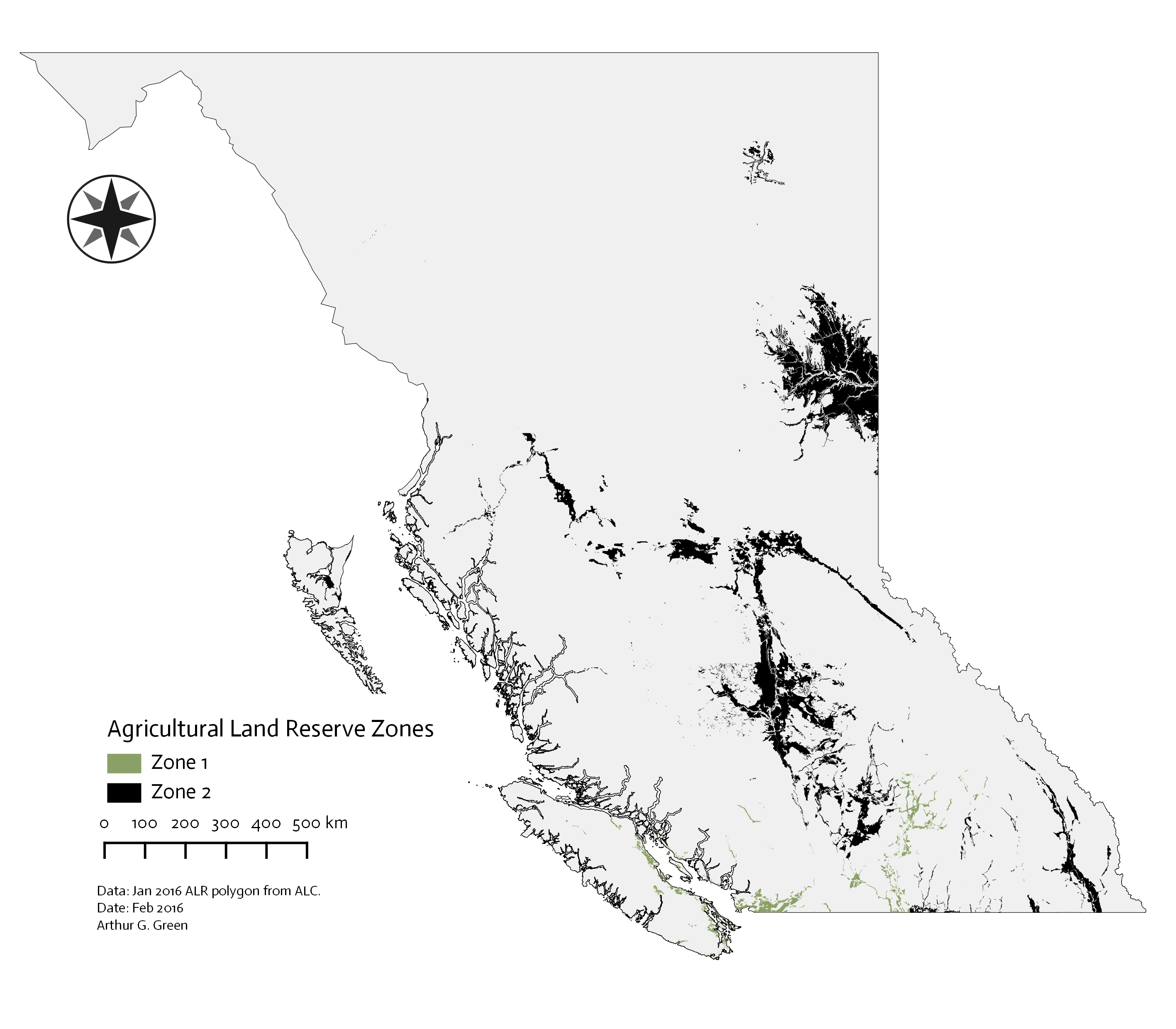
The soil in the Fraser Valley of British Columbia is some of, if not the most, fertile soil in Canada (Kowalenko et al., 2007); this fact is what led to the creation of ALRs in BC, protecting just 4-5% of BC’s arable land. Currently, restrictions on the development of ALR land are very tight, allowing only a primary residence and two other housing units to be constructed without gaining an exemption from the Agricultural Land Commission (ALC) (Gyarmati, 2022).
As BC has seen rising housing prices and record population growth over the past few years, there has been immense pressure to relax these limits and allow housing development on these parcels of land.
Who’s Involved?
Since this problem intersects with other issues ranging from farmland protection vs housing affordability to colonial land management vs Indigenous sovereignty, there is a long list of stakeholders involved. Below is an in-depth analysis of this problem’s stakeholders, their positions on the issue, and how everything connects to create this Wicked Problem. Please, click around on the stakeholders and connections to learn more.
Different Scales, Different Stakeholders
As with many problems, when you view this issue from different scales, you see the importance of different actors. Below are views of the Local, Provincial, and Global scales to this Wicked Problem.
Local
Seeing as this problem is focused in British Columbia, many of the problem’s stakeholders exist at the local level
Provincial
Governments, policymakers, and large agricultural entities exist primarily at the Provincial level
Global
Inside this problem, there are several additional problems which exist at a Global scale such as food security, environmental protection, and consumers outside BC
Mitigation:
Where do we go from here?
With an understanding of who’s involved and what’s at stake, lets now take a look at two opportunities which could be utilized to mitigate this Wicked Problem.
Image3
IGR and Consistency
One key area for improvement is at the government and policy level, where stronger intergovernmental relations (IGR) are needed. Currently, there’s little coordination between housing policy and agricultural planning. Many municipalities are under pressure to expand housing, yet much of the available land lies within the Agricultural Land Reserve (ALR), limiting development options.
The Province’s policies have successfully promoted farming on ALR land, but recent decisions to allow “agri-tech districts” — such as vertical farming and food warehouses — contradict these goals by paving over fertile soil. This raises an important question: why is industrial development permitted on farmland, but not housing?
To address this, the Province should move away from reactive policymaking and instead focus on creating balanced, proactive strategies that increase both housing and food production while protecting valuable agricultural land.
Making this issue a non-issue
Another area for adjustment in this issue lies in how policymakers weigh different stakeholder voices. While developers and municipalities push aggressively to expand housing, the Province must sometimes restrict these efforts to protect broader environmental and agricultural goals.
The Agricultural Land Reserve (ALR) exists to safeguard irreplaceable soil — a resource that cannot be recreated. ALR land represents only about 4% of British Columbia’s total area, and just 1% is considered prime agricultural land (Provincial Agricultural Land Commission, 2023). Given how limited this land is, using it to solve housing shortages makes little sense.
Much of the pressure to develop ALR parcels stems from convenience: about 54% of ALR land is owned by government entities, making it easier for municipalities to sell to developers than to negotiate with private landowners.
Ultimately, decision-makers must sometimes prioritize long-term food security and soil preservation over short-term development pressures. Protecting BC’s farmland is essential not only for the economy but for the province’s resilience and sustainability.
- https://bcfarmersinstitutes.ca/directory-of-institutes/ ↩︎
- Green, Arthur G. 2016. ALR Background. Agricultural Land Reserve Mapping. Flexible Learning Project, Department of Geography, University of British Columbia: Vancouver. https://blogs.ubc.ca/alrmap/alr-background/ ↩︎
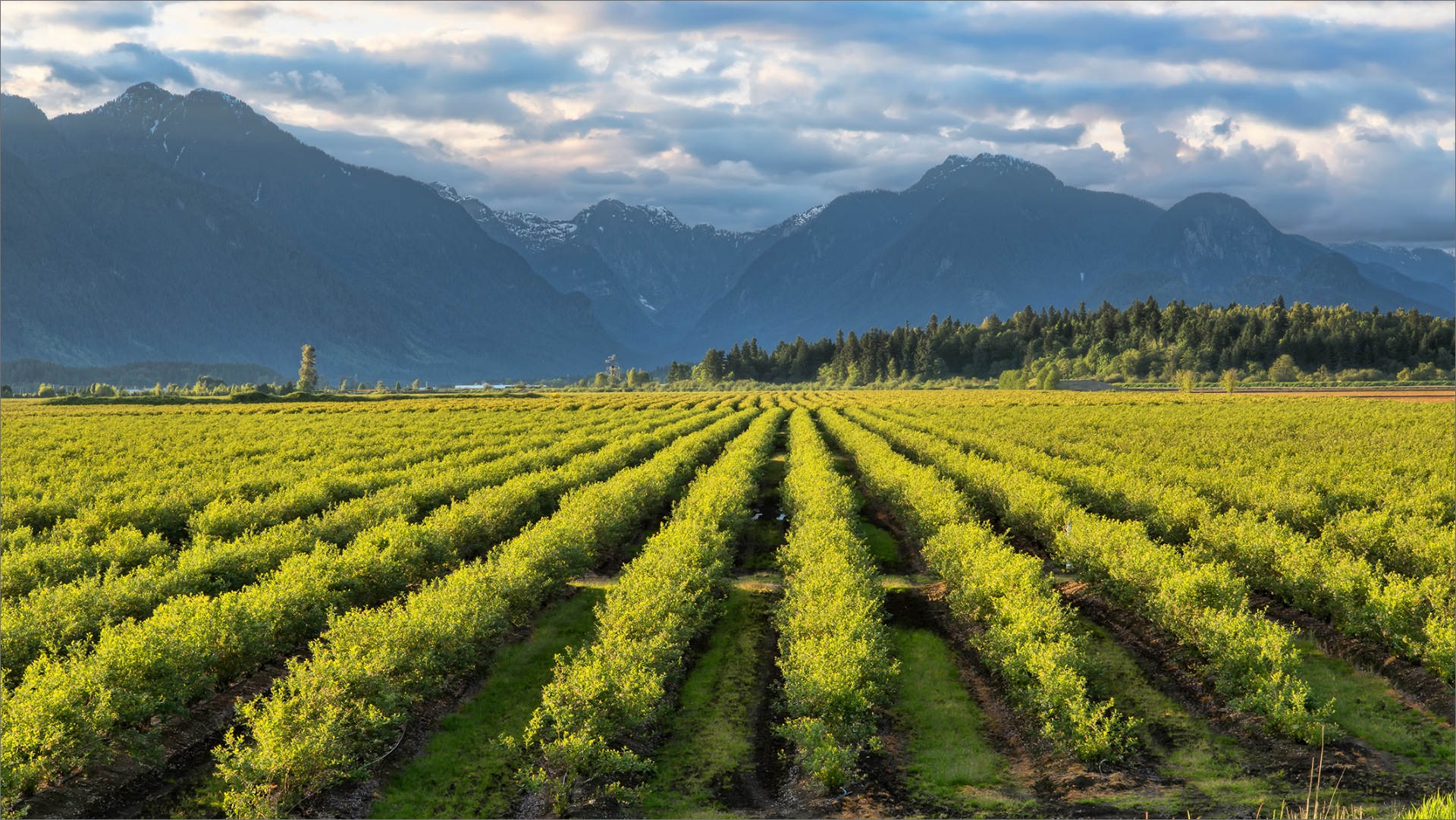
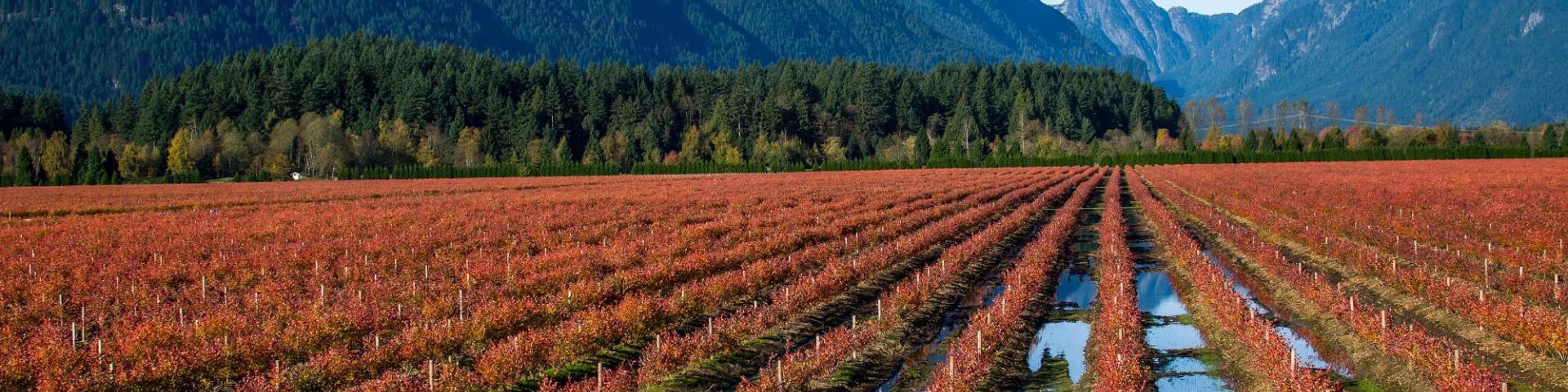
- https://www.pittmeadows.ca/our-community/agriculture ↩︎