cobalt EXPLOITATION in congo
Cobalt and the DRC
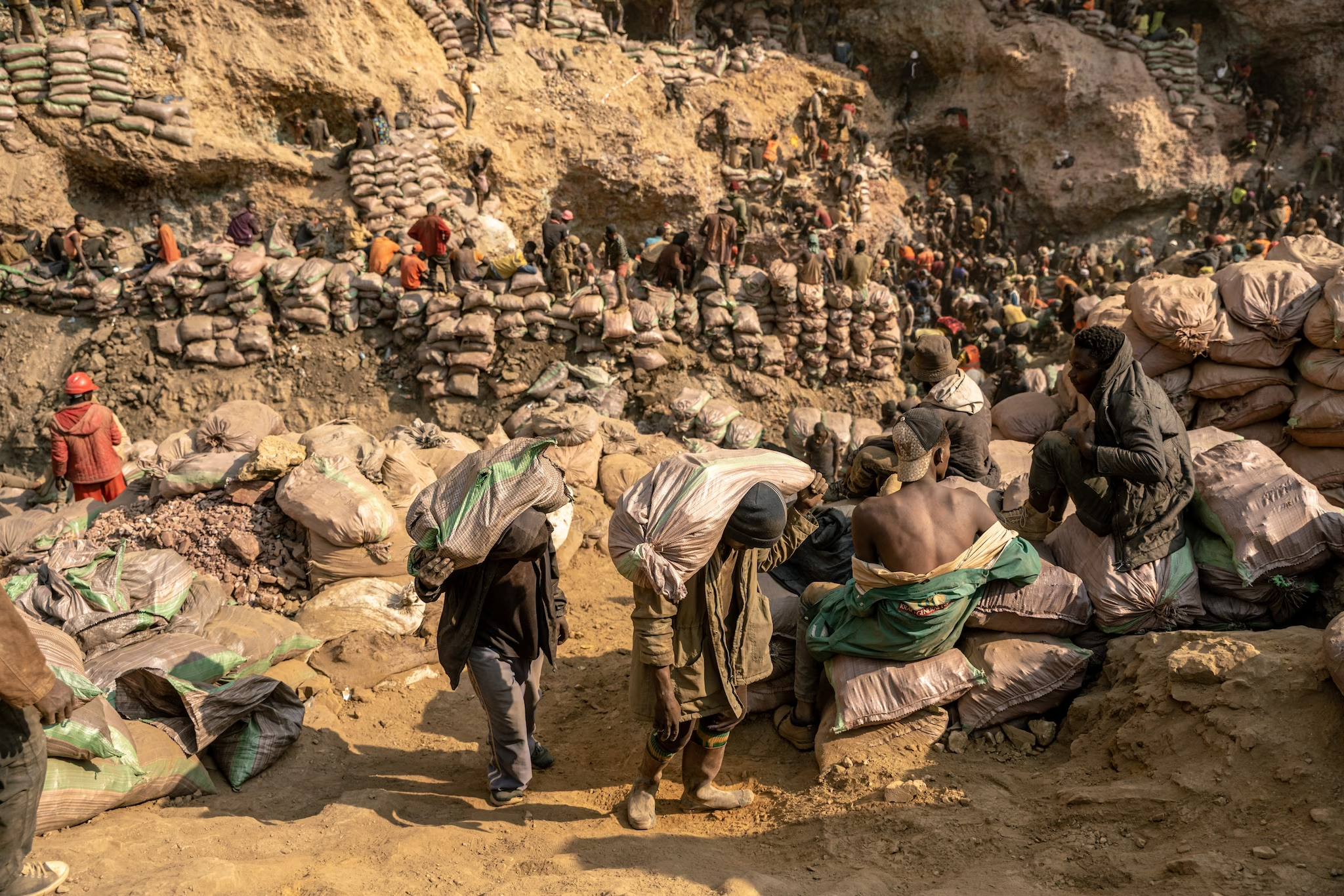
Beneath the surface of the Democratic Republic of Congo lies the mineral that powers our modern lives — cobalt. It fuels the devices and electric vehicles that define progress, yet for many Congolese, it represents hardship, danger, and survival. This project explores the human side of cobalt — the miners who risk their lives, the communities living beside toxic pits, and the global systems that keep the cycle turning. By understanding the people and power behind this resource, we begin to see that every charge, every battery, carries a deeper story.
Why Cobalt Matters
Cobalt is the backbone of our rechargeable world. It powers smartphones, laptops, and electric vehicles — the very tools we use to stay connected and move toward a cleaner future. Yet almost all of it comes from one country, the Democratic Republic of Congo. Here, the rush for cobalt is more than an economic race; it’s a matter of survival. Thousands of people dig by hand in unsafe conditions, often for just a few dollars a day, while the world’s biggest companies rely on their labour to keep up with global demand.
This section explores the contradiction at the heart of the “green transition” — how the same mineral driving sustainability elsewhere is creating social and environmental breakdown where it’s mined. Cobalt matters because it forces us to ask: whose progress are we celebrating, and at what cost?
FUN FACT
70% of the world’s cobalt supply comes from the Democratic Republic of Congo.
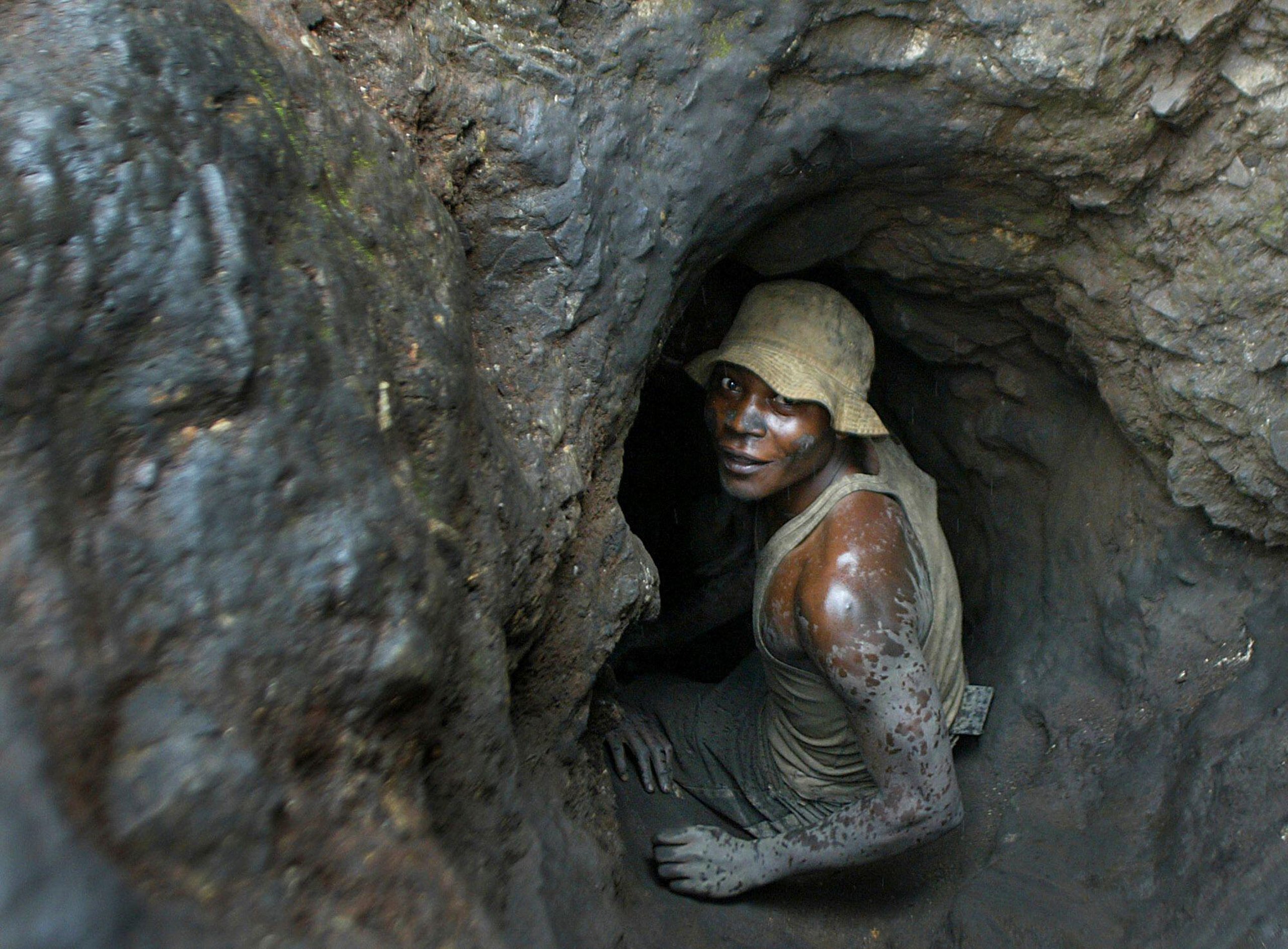
👷♂️ 200,000+ Congolese people work as artisanal miners — many with hand tools and no protection.
🧒 40,000 children are estimated to be working in cobalt mines, often in dangerous underground tunnels.
💰 $4 billion+ in cobalt export value leaves the DRC each year, yet most mining communities live on less than $2 a day.
♻️ Global demand for cobalt is expected to triple by 2030, driven by electric vehicle production.
Key Actors
Every system is built on people — those who live it, shape it, and sometimes survive it. In the cobalt supply chain, each actor holds a different kind of power: some dig to survive, others profit from distance, and a few try to repair what’s been broken. Together, they reveal how a single mineral connects lives across continents — from the tunnels of Kolwezi to the showrooms of the global North. Understanding who they are helps us see that this isn’t just an economic system … it’s a human one.
What Happens in the System
When all these forces collide, the results are impossible to ignore — unsafe work, polluted land, and communities trapped between survival and exploitation. These outcomes aren’t accidents; they’re the natural product of a system built on imbalance.
Rules and Resources
Behind every action in this system are the rules that shape it and the resources that sustain it. Some laws aim to bring order, while others exist only on paper. Power moves through money, minerals, and human labour — often benefiting those farthest from the ground where the cobalt is dug.
Feedback loops
In this system, actions never end — they circle back. Corruption fuels poverty, poverty drives unsafe mining, and the cycle repeats. Yet, small shifts in education, opportunity, and accountability can begin to bend those loops toward balance.
R2
Corruption weakens enforcement, allowing unsafe and illegal mining to continue. Those same operations then generate more money for bribes and rent-seeking, which further erodes governance. The result is a cycle in which power and profit remain in the hands of a few, while miners and communities remain vulnerable.
B2
Conclusion
Finding Openings in a closed system.
Even in a system shaped by inequality and corruption, there are points where change can begin. These leverage points and impact gaps reveal where power collects and where it can be redirected. They remind us that every system, no matter how complex, can shift when people, policies, and awareness align.
Education & Awareness
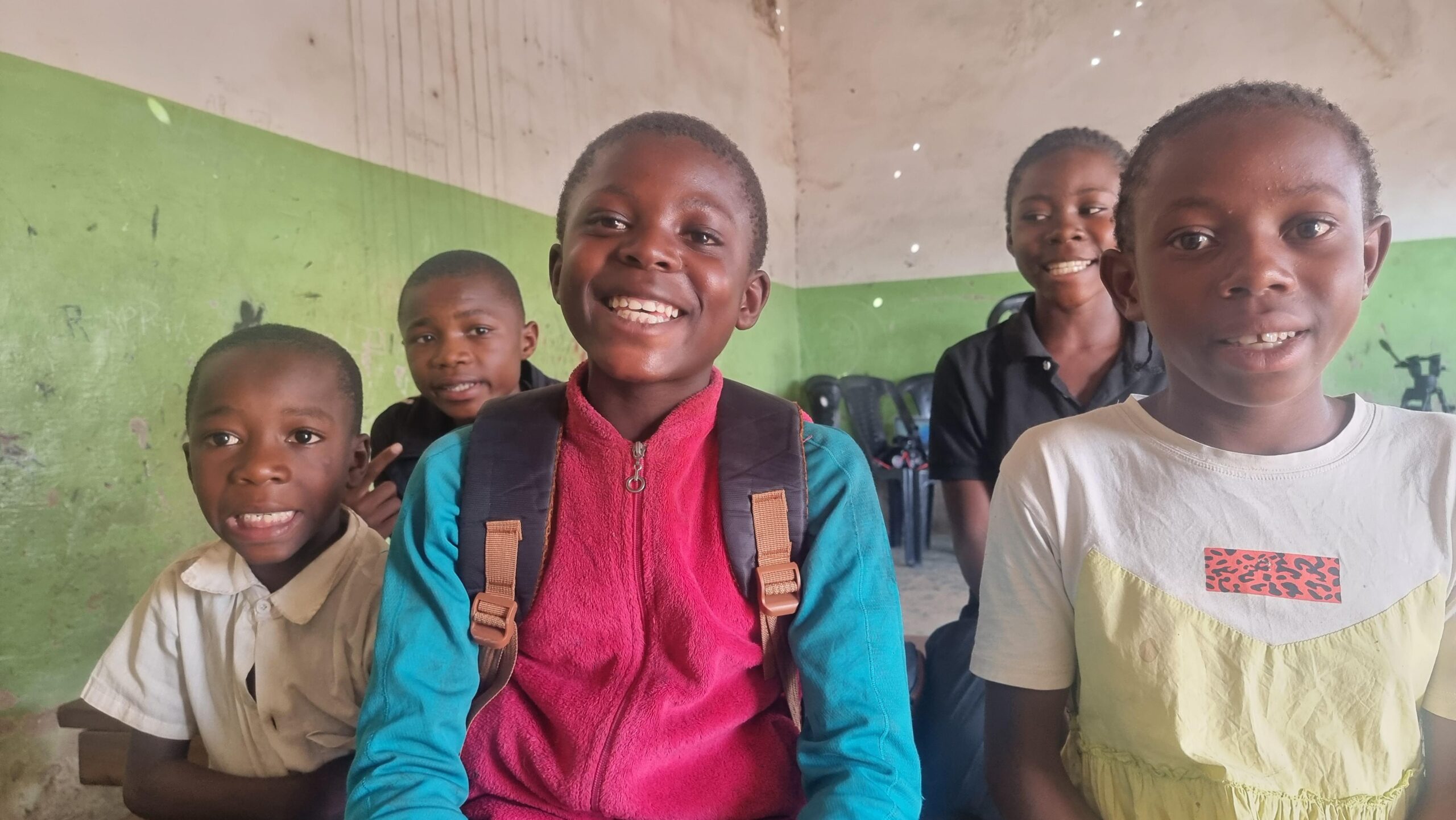
Giving children access to school instead of the mines breaks the cycle of dependence. Education creates space for safer livelihoods and helps families imagine futures beyond extraction.
Livelihood Diversification
Supporting local agriculture and small businesses gives communities options. When people can earn income outside mining, exploitation loses its strongest hold.
Governance & Enforcement
Strong laws mean little without follow-through. Corruption and weak oversight allow injustice to continue. The gap between written policy and lived reality is where the system fails most visibly.
“Cobalt powers the world — but at a human cost we can no longer ignore. Real change begins when awareness becomes responsibility.”