Oil and Gas Extraction
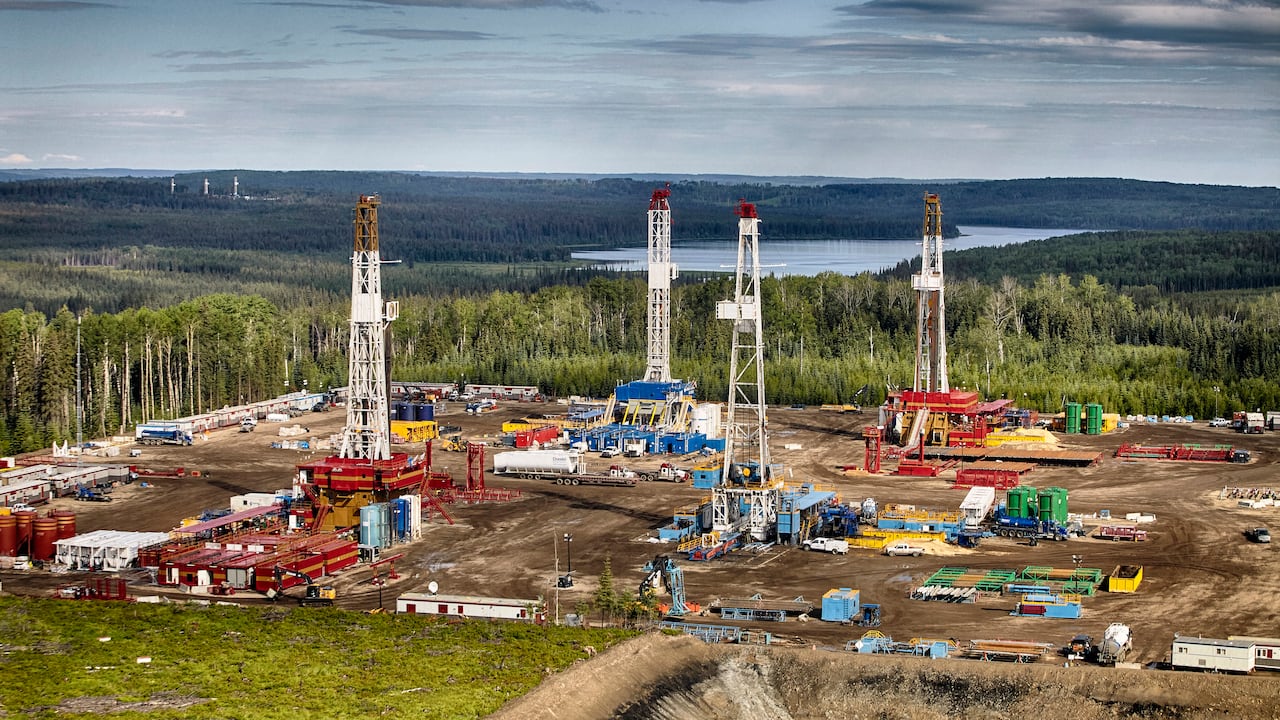
Image from CBC News1
Introduction
The Peace Region of northern British Columbia and Alberta is the powerhouse of the Canadian oil and gas industry. 93% of gas extraction in BC (Dovgal & Elnur, 2025), and 25% in Alberta (Government of Alberta, 2016) occurs within the region. Combined this accounts for 1/3 of Canada’s natural gas production. This level of extraction has dire consequences for the health of the environment, and residents of the area. As consumption of natural gas increases around the globe, new, massive projects have been started in the area.
Geography
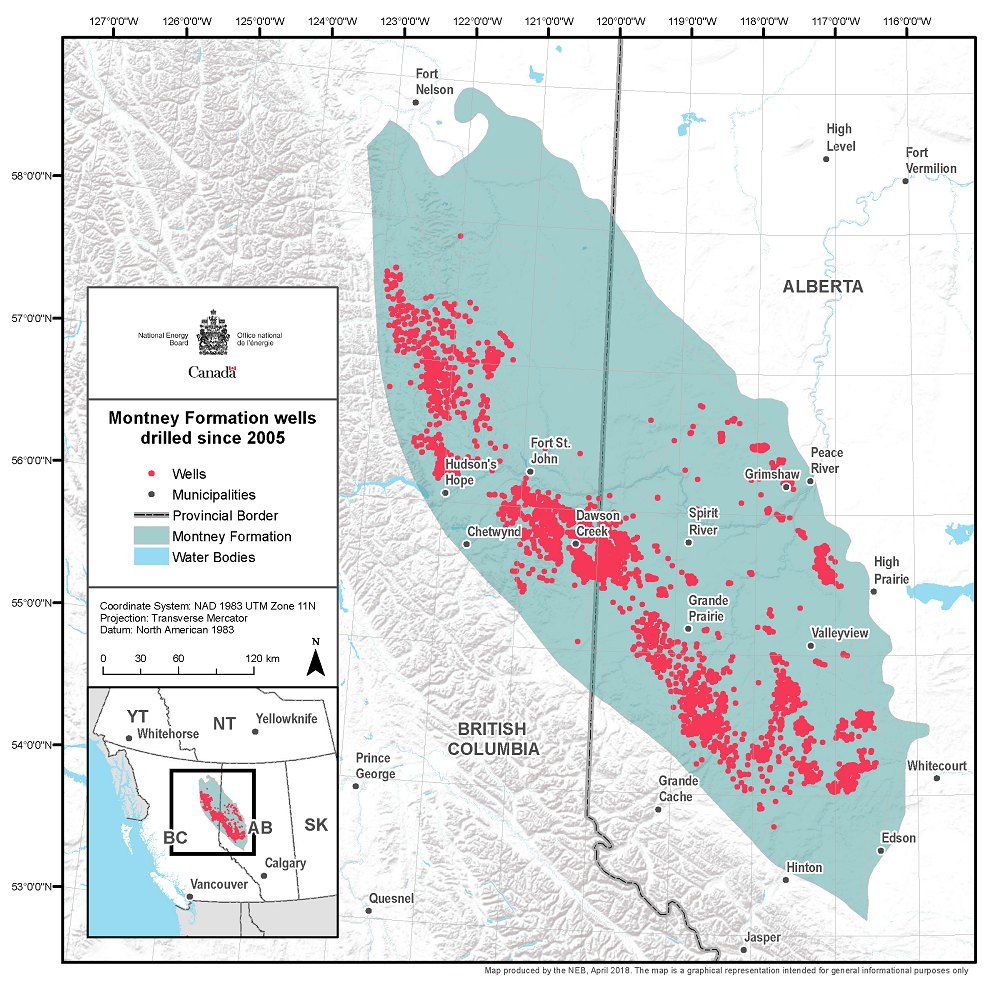
The Montney Basin is the primary source of natural gas in British Columbia, and to a lesser extent Alberta. The basin covers 130,000 square kilometres and is one of the most productive formations in North America. Since the early 2000s, development in the area has intensified, and further expansion has begun as LNG is being shipped overseas.
Stakeholders
Due to the problems interconnected nature, there are a large number of stakeholders. For this project, the scope was limited to the Peace Region to investigate a more local side of the issue.
Scales
Local
As this problem is focused on a specific region in the province, the majority of the stakeholders are local. These include residents, Indigenous communities, wildlife and other non human entities.
Provincial
Most regulations that the oil and natural gas industries need to follow are created at the provincial level. This scale is mainly occupied by law makers, regulatory bodies and interest groups.
Global
Natural gas produced in the Peace Region is now being shipped worldwide as liquefied natural gas (LNG). International companies from Europe, Asia and the United States all take part in extraction and transportation operations in the area.
Gaps and Levers
Gap
Gap
Currently the economy of the region is tied directly to oil and natural gas extraction. Economic diversification would allow renewable technologies to exist in the energy sector without communities suffering economic downturns.
Current groundwater monitoring is insufficient to detect small leaks into aquifers and do not allow rapid enough response to mitigate damages.
Lever
Lever
Many of the skills labourers in the sector hold can easily transfer to renewable energy sources. Drilling for geothermal is similar to drilling for natural gas. Constructing well sites is similar to constructing wind farms. By utilizing these skills energy production can shift away from highly polluting fossil fuels to renewable sources.
Technologies, such as fibre-optic distributed temperature sensing, offer a superior detection as opposed to traditional DTS systems. If these technologies were required for sites, leaks of methane and other harmful gasses can be dealt with before they become problems.